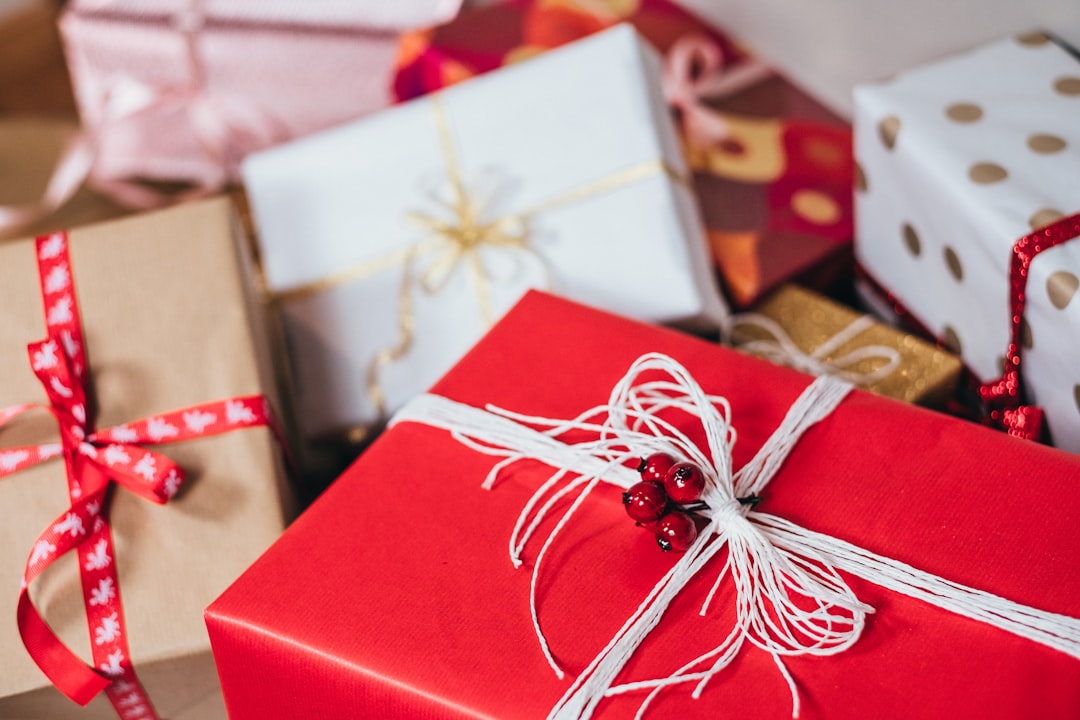
An annual gift planner turns birthdays, holidays, anniversaries, graduations, and other milestones into a manageable shopping schedule. Use the reusable template below to record each recipient’s details, estimate the total cost, allow time for personalization and delivery, and avoid repeating gifts you have already given.
Overview
Gift buying becomes difficult when important dates are scattered across calendars, messages, and memory. A practical annual gift planner gives every recipient one record with the information you are most likely to need: occasion, date, budget, interests, previous gifts, personalization notes, delivery details, and order status.
The planner is useful for a small household gift list, a large extended family, or recurring client and team gifting. It also creates a decision history. Before choosing another photo frame, gift basket, piece of jewelry, or home accessory, you can check what the recipient has already received and look for a different angle.
Start with one row per occasion rather than one row per person. A single recipient may appear several times if you buy birthday gifts, anniversary gifts, holiday gifts, or milestone presents for them. This makes deadlines and spending easier to estimate.
Reusable annual gift-planning template
| Field | What to record | Why it helps |
|---|---|---|
| Recipient | Name and relationship | Keeps the list easy to scan and helps set an appropriate tone. |
| Occasion and date | Birthday, holiday, anniversary, graduation, wedding, housewarming, or other milestone | Connects the gift to the event and establishes the deadline. |
| Shopping deadline | Date by which you want the item selected | Leaves time for personalization, gift wrap, delivery, or a replacement. |
| Interests and preferences | Hobbies, colors, styles, dietary needs, sizes, and dislikes | Turns broad gift ideas into useful choices. |
| Past gifts | Item, year, and response if known | Reduces repetition and identifies successful gift categories. |
| Price range | Target amount or low-to-high range | Supports a realistic annual spending estimate. |
| Personalization notes | Name spelling, initials, dates, photos, message, or engraving limits | Prevents avoidable errors on custom gifts. |
| Shipping details | Address, preferred delivery window, and any access notes | Helps with direct shipping and reduces last-minute confusion. |
| Order status | Idea, shortlisted, ordered, received, wrapped, sent, or complete | Shows the next action at a glance. |
| Actual total | Item, personalization, delivery, and gift wrap costs | Improves next year’s budget estimate. |
How to estimate your annual gift budget
Use a simple per-occasion calculation instead of guessing at one large yearly figure. For each planned gift, estimate:
Estimated total = gift amount + personalization or add-ons + gift wrap + delivery + tax or other applicable charges
Then add the estimates for all occasions:
Annual estimate = total of all planned occasion estimates + contingency amount
The contingency amount is optional, but it can account for an extra invitation, a replacement item, or a change in the recipient list. Keep it as a separate line so you can see the cost of your known commitments rather than hiding unexpected spending inside every gift estimate.
Choose a planning routine
| Routine | Best for | How it works | Watch for |
|---|---|---|---|
| Monthly | People with frequent birthdays, milestones, or several recipients | Review the next eight to twelve weeks, place orders, and update statuses. | Requires regular calendar maintenance, but gives the most control. |
| Quarterly | Moderate gift lists and predictable occasions | Plan the coming quarter, group similar purchases, and reserve funds. | Custom or handmade orders may need action before the quarterly review. |
| Seasonal | Lists concentrated around holidays or a few major events | Build a seasonal recipient list and set shopping cutoffs before the busiest period. | Can create a rush if birthdays or shipping windows are not recorded separately. |
A monthly routine is usually the safest choice for personalized gifts because it gives you an earlier prompt to confirm spelling, photos, sizes, and delivery information. A quarterly routine can work well when dates are stable. Seasonal planning suits a shorter list, but it should still include individual deadlines rather than one general holiday reminder.
Inputs and assumptions
A useful gift planning template is only as accurate as its inputs. Begin by collecting every date you already know from calendars, family records, invitations, and recurring reminders. Mark uncertain dates as “confirm” instead of silently treating them as fixed.
Record the recipient, not just the occasion
Write down practical preferences while they are fresh. For example, note whether someone prefers useful home items, artisan accessories, experiences, books, garden-related gifts, or consumables. Include allergies, dietary requirements, clothing or jewelry sizes, and style preferences when relevant. For children or changing households, review these details periodically rather than assuming they remain unchanged.
Separate the gift budget from the delivery budget
Delivery and presentation costs can affect the final total, especially when several gifts go to different addresses. Record whether you plan to ship directly, give the gift in person, or combine several items into one collection. If you are comparing a physical gift with a gift card or subscription, track those options in the same row until you decide. See the comparison of gift cards and physical gifts for a structured way to assess delivery and occasion fit.
Set a personalization cutoff
For custom photo gifts, engraved gift ideas, and personalized jewelry, set an internal ordering date earlier than the occasion. Your cutoff should leave room to check the preview, correct an error, receive the item, and choose an alternative if necessary. Use the personalized gift planning checklist when an item involves engraving, photo selection, or an artisan commission.
Use categories to generate ideas
When the planner says “gift idea needed,” filter by both recipient and occasion. Gifts for mom, gifts for dad, gifts for a best friend, anniversary gifts for couples, wedding gift ideas, and housewarming gift ideas may call for different levels of sentiment and practicality. A gardener may appreciate a seasonal or tool-related item, while a new homeowner may need something suited to the home type and move-in stage. Avoid choosing a category solely because it worked last year; use the past-gift record to find a fresh variation.
Worked examples
Example one: personalized birthday gift
Suppose a birthday row includes a target gift amount of $45, personalization of $8, gift wrap of $5, and delivery of $7. The estimated total is $65 before any applicable tax or other charge. If you want the gift in hand seven days before the birthday, set the order deadline earlier still to allow for personalization and delivery. Record the recipient’s preferred color and the exact spelling of the name before ordering. If the final total differs, replace the estimate with the actual amount.
Example two: several holiday recipients
For four recipients, you might plan two gifts at $30 each, one gift at $50, and one gift basket at $40. The item estimate is $150. Add each recipient’s delivery and presentation costs separately rather than applying one average if the gifts are going to different addresses. The completed rows will show whether combining items into one shipment is practical or whether a gift card, subscription, or direct delivery better fits the situation.
Example three: avoiding repetition
A recipient’s history might show a photo book last year, an engraved keepsake the year before, and a handmade home accessory before that. For the next occasion, record those categories as recent or already used. You can then explore a related but distinct option, such as a curated basket based on dietary needs or an artisan item connected to a current hobby. The goal is not to avoid every category forever; it is to make repetition deliberate.
When to recalculate
Review the planner at the beginning of each calendar year, then revisit it before major gifting seasons and whenever the underlying details change. Recalculate the annual estimate when you add or remove a recipient, change a price range, choose a different delivery method, or decide to personalize an item. Update the plan after an occasion so the actual cost, gift response, and useful preference notes inform the next cycle.
Use this short gift tracking checklist at every review:
- Confirm upcoming dates and recipient addresses.
- Move each occasion to the correct shopping deadline.
- Review past gifts before creating new ideas.
- Check names, dates, photos, sizes, and messages for custom orders.
- Recalculate item, personalization, wrap, and delivery costs.
- Mark each order as received, wrapped, sent, or complete.
- Record the actual total for future planning.
For a practical next step, copy the template into a spreadsheet, notes app, or paper planner today. Enter every known occasion, assign a price range, and identify the next three deadlines. Then choose one planning rhythm—monthly, quarterly, or seasonal—and place a recurring review on your calendar. A few minutes of maintenance before each occasion can make thoughtful, unique gifts easier to choose and much less stressful to organize.